Masthead header

St Louis is the first of its kind in the nation to Welcome Home the troops from Iraq Parade

St Louis, Missouri was the first city to welcome home the troops from Iraq on Saturday January 28, 2012. In looking around at the tens of thousands of people waving American flags and cheering, Army Maj. Rich Radford was moved that so many braved a cold January wind Saturday in St. Louis to honor people like him: Iraq War veterans.

The Welcome Home Heroes Parade included more than 80 floats, two marching bands and the Budweiser Clydesdales.  The parade began at noon Saturday at Kiener Plaza and ended at Union Station with a Veterans Resource Center set-up inside.

People waived American flags and cheered “thank you” as veterans made their way down Market.  People also held up Welcome Home signs.

It was inspiring to sit there while I was taking photos and watching the children to senior citizens smiling, waving and yelling “welcome home” at the troops as they past by. It was a day I will not forget.

Welcome Home Troops from Iraq | Stock Photo

Welcome Home Troops from Iraq | Stock Photo

Welcome Home Troops from Iraq | Stock Photo

Welcome Home Troops from Iraq | Stock Photo

Welcome Home Troops from Iraq | Stock Photo

Welcome Home Troops from Iraq | Stock Photo

Welcome Home Troops from Iraq | Stock Photo

Welcome Home Troops from Iraq | Stock Photo

Welcome Home Troops from Iraq | Stock Photo

Welcome Home Troops from Iraq | Stock Photo

Welcome Home Troops from Iraq | Stock Photo

Welcome Home Troops from Iraq | Stock Photo

Welcome Home Troops from Iraq | Stock Photo

Welcome Home Troops from Iraq | Stock Photo

Welcome Home Troops from Iraq | Stock Photo

Welcome Home Troops from Iraq | Stock Photo

Welcome Home Troops from Iraq | Stock Photo

Welcome Home Troops from Iraq | Stock Photo

Welcome Home Troops from Iraq | Stock Photo

Welcome Home Troops from Iraq | Stock Photo

Welcome Home Troops from Iraq | Stock Photo

Welcome Home Troops from Iraq | Stock Photo

Welcome Home Troops from Iraq | Stock Photo

Welcome Home Troops from Iraq | Stock Photo

Welcome Home Troops from Iraq | Stock Photo

Welcome Home Troops from Iraq | Stock Photo

Welcome Home Troops from Iraq | Stock Photo

Welcome Home Troops from Iraq | Stock Photo

Welcome Home Troops from Iraq | Stock Photo

Welcome Home Troops from Iraq | Stock Photo

Welcome Home Troops from Iraq | Stock Photo

Welcome Home Troops from Iraq | Stock Photo

Welcome Home Troops from Iraq | Stock Photo

Welcome Home Troops from Iraq | Stock Photo

Welcome Home Troops from Iraq | Stock Photo

Welcome Home Troops from Iraq | Stock Photo

Welcome Home Troops from Iraq | Stock Photo

Welcome Home Troops from Iraq | Stock Photo

Welcome Home Troops from Iraq | Stock Photo

Welcome Home Troops from Iraq | Stock Photo

1934 Ford Hot Rod in Welcome Home Troops from Iraq | Stock Photo

1934 Ford Hot Rod in Welcome Home Troops from Iraq | Stock Photo

Welcome Home Troops from Iraq | Stock Photo

Welcome Home Troops from Iraq | Stock Photo

Welcome Home Troops from Iraq | Stock Photo

Welcome Home Troops from Iraq | Stock Photo

Welcome Home Troops from Iraq | Stock Photo

Welcome Home Troops from Iraq | Stock Photo

Welcome Home Troops from Iraq | Stock Photo

Welcome Home Troops from Iraq | Stock Photo

Welcome Home Troops from Iraq | Stock Photo

Welcome Home Troops from Iraq | Stock Photo

Model A Ford Welcome Home Troops from Iraq | Stock Photo

Model A Ford Welcome Home Troops from Iraq | Stock Photo

Welcome Home Troops from Iraq | Stock Photo

Welcome Home Troops from Iraq | Stock Photo

Welcome Home Troops from Iraq | Stock Photo

Welcome Home Troops from Iraq | Stock Photo

Welcome Home Troops from Iraq | Stock Photo

Welcome Home Troops from Iraq | Stock Photo

Welcome Home Troops from Iraq | Stock Photo

Welcome Home Troops from Iraq | Stock Photo

Welcome Home Troops from Iraq | Stock Photo

Welcome Home Troops from Iraq | Stock Photo

Welcome Home Troops from Iraq | Stock Photo

Welcome Home Troops from Iraq | Stock Photo

Welcome Home Troops from Iraq | Stock Photo

Welcome Home Troops from Iraq | Stock Photo

1940 Ford Pickup Welcome Home Troops from Iraq | Stock Photo

1940 Ford Pickup Welcome Home Troops from Iraq | Stock Photo

T-bucket at Welcome Home Troops from Iraq | Stock Photo

T-bucket at Welcome Home Troops from Iraq | Stock Photo

St Louis Police Officer at Welcome Home Troops from Iraq | Stock Photo

St Louis Police Officer at Welcome Home Troops from Iraq | Stock Photo


Enhanced by Zemanta

Share and Enjoy

  • Google Buzz
  • Add to favorites
  • Email
  • RSS
  • LinkedIn
Back to top|Contact me|Share on Facebook|RSS feed|Email me|Tweet

Forest Park, St. Louis, Missouri

Forest Park is a public park located in western part of the city of St. Louis, Missouri. It is a prominent civic center and covers 1,293-acre (5,230,000 m2). The park, which opened in 1876 more than a decade after its proposal, has hosted several significant events, including the Louisiana Purchase Exposition of 1904 and the 1904 Summer Olympics. Bounded by Skinker Boulevard, Lindell Boulevard, Kingshighway Boulevard, and Oakland Avenue, the park is known as the “heart of St. Louis” and features a variety of attractions, including the St. Louis Zoo, the Saint Louis Art Museum, the Missouri History Museum, and the St. Louis Science Center.

In 1901, Forest Park was selected as the location of the 1904 World’s Fair, known as the Louisiana Purchase Exposition. The fair opened April 30, 1904 and closed December 1, 1904, and it left the park vastly different. In addition to the fair, the park hosted the divingswimming, and water polo events for the 1904 Summer Olympics. Though there were a total of fifteen sports to compete in, the only sport women were allowed to participate in was archery. However, large steps were made for minorities as this was the first time that African Americans were allowed to compete in the Games.

The fair’s landscape architect, George Kessler, dramatically changed the park: the wetlands areas in the western part of the park were drained and converted into water features and five connected lakes. Sewer and water lines that were installed during the fair remained for public use in the park, and after the fair, thousands of trees were planted and vistas were created. In 1909, the fair’s directors gave the balance of the remaining profits from the fair toward the construction of a monument to Thomas Jefferson, which when completed in 1913 became the Missouri History Museum building. Other structures left from the fair include the Saint Louis Art Museum, the Apotheosis of St. Louis (a statue of French King Louis IX), the World’s Fair Pavilion, and the 1904 Bird Cage.

The Palace of the Arts, a building now known as The Saint Louis Art Museum in Forest Park, was divided into six classifications: painting, etchings and engravings, sculpture, architecture, loan collection, and industrial art. In addition to art displays, many novelties were showcased for the first time at the Fair. Electricity, still considered young at the time, was showcased in a number of ways. Attendees at the Fair were awestruck by the electric lighting, both inside and out, of all of the important buildings and roads. The electrical plug and the wall outlet were also displayed. Two of the more notable technological achievements demonstrated were the x-ray machine and the baby incubator.

Forest Park has many features for visitors to enjoy.

The most visited feature of the park is the St. Louis Zoo, a free zoo that opened in 1910. In 2010, the zoo attracted 2.9 million visitors to its collection of more than 18,000 animals. The zoo is divided into five animal zones: the River’s Edge, which includes elephants, cheetahs, and hyenas; The Wild, which includes penguins, bears, and great apes; Discovery Zone, which includes a petting zoo; Red Rocks, which features lions, tigers, and other big cats; and the oldest part of the zoo, Historic Hill, which features the 1904 Flight Cage, a herpetarium, and primate house. A sixth zoo zone, known as Lakeside Crossing, features several dining and retail options. For animal care, the zoo also features a veterinary hospital and animal nutrition center.

The St. Louis Science Center, located across Interstate 64 on the southern edge of Forest Park, received slightly more than 1 million visitors in 2010. Part of the science center, the McDonnell Planetarium, is located within the park and is connected to the main building by an enclosed footbridge. In addition to the Orthwein StarBay planetarium show featuring more than 9,000 stars on an 80-foot (24 m) ceiling, the facility offers exhibits about living in space and hosts monthly public stargazingevents in conjunction with the St. Louis Astronomical Society.

The Missouri History Museum, located on the northern edge of the park, received slightly more than 500,000 visitors in 2010 to both its permanent and temporary exhibits. The museum has three permanent exhibits: Lindbergh, which opened in 2002 and focuses on the life and flight of Charles Lindbergh; Seeking St. Louis, two galleries focusing on the history of Greater St. Louis; and the 1904 World’s Fair, Looking Back at Looking Forward, an exhibit of artifacts from the Louisiana Purchase Exposition. The museum also is home to a 16-ton statue of Thomas Jefferson sculpted by Karl Bitter, which was unveiled at the opening of the museum in 1913. The museum completed a major expansion in 2000, with the addition of the Emerson Center, a 92,000-square-foot building with 24,000 square feet of exhibition space, the Lee Auditorium, a 350-seat theater, and space for retail and dining options

The Saint Louis Art Museum, which opened as the Palace of Fine Arts as part of the Louisiana Purchase Exposition, is located in the only permanent structure built for the fair. The building, designed by Cass Gilbert, houses a comprehensive art museum with particular depth in Oceanic artPre-Columbian art, ancient Chinese bronzes, and 20th-century German art. The museum began an expansion and renovation project in January 2010 under the direction of architect David Chipperfield. The construction will relocate surface parking underneath the addition and create a new lower-level gallery, with a total of more than 200,000 square feet of new building area.

The Muny, officially known as the Municipal Theatre Association of St. Louis, has operated in Forest Park since 1916. The first production, As You Like It by William Shakespeare, predated the current building by one year; as part of an advertising convention St. Louis constructed the Municipal Theatre in 1917. Starting in 1919, the Muny was incorporated, and more than 1,500 seats in the 11,000-seat amphitheater were reserved as permanently free.

The Jewel Box, an art deco greenhouse, operates as an event venue and horticultural facility. The building has nearly 7,500 square feet  of display space and is 55 feet high, and it was built in 1936 using funds from the Works Progress Administration. The Jewel Box was added to the National Register of Historic Places in 2000, and in 2002, the Jewel Box underwent a $3.5 million renovation, which included the removal and reinstallation of interior plantings, upgrades to the heating and air conditioning systems, and modifications to allow the building to be used for catered events.

The Dwight Davis Tennis Center is a tennis facility with 19 lighted tennis courts and a clubhouse, named after St. Louis tennis player Dwight Davis. The facility offers tennis training programs, sponsors tournaments, and is home to the St. Louis Aces, a local tennis singles team, who play in the 1,100-seat Stadium Court. In 2006 and 2007, several courts were refinished, while new shade awnings and benches were provided for players and spectators.

The Boathouse at Forest Park is both a restaurant and boat rental facility. Since the opening of Forest Park in 1876, boating has been an activity in the park; in 1894, the St. Louis Post Dispatch paid more than 6,000 workers to expand one of the lakes in the park. In the early 2000s, a new boathouse opened with access to both Post-Dispatch Lake and the Grand Basin at the foot of Art Hill. The boathouse, open year round, offers paddle boat rentals and was designed by St. Louis architect Laurent Torno in the style of early 20th century Midwestern boathouse cottages.

The gazebo in front of the Muny is one most popular searches I get on my gallery site. Here is the story about it. Pagoda Circle, located in front of the Muny, is a circular drive located around a lake with an island. On the island is the Nathan Frank Bandstand, which was built using funds donated by local businessman Nathan Frank in 1926. The bandstand, in the classical style, replaced an earlier structure with Asian motifs. In the early 2000s, the landscaping of the area was restored by the Flora Conservancy and the St. Louis Parks Department to a design by Oehme, van Sweden and Associates, and more than 27,000 perennial flowers were planted in the area.

The Steinberg Skating Rink opened in November 1957 after a donation by the Steinberg Charitable Trust. Etta Steinberg, the wife of Mark C. Steinberg, gave more than $600,000 toward the $935,000 cost of the rink. The rink is open for ice skating during the winter and sand volleyball during the summer, and a dining and concession area, known as the Snowflake Cafe, offers American cuisine.

During the early 2000s, the rink underwent a $1.4 million renovation that included a new rink surface, an ice-making system, and a new light and sound system. In addition, the parking lot for the rink was moved from the north end of the facility to the south end. A wetlands and prairie river area replaced the north parking lot, providing a walking path and birdwatching area.

Located on Government Hill, the World’s Fair Pavilion opened in 1910 as a gift from the Louisiana Purchase Exposition Committee as part of their promise to restore the park after the 1904 World’s Fair. Designed by English architect Henry Wright, the original cost to build the pavilion was $35,000. In the early 2000s, the building underwent a $1.1 million restoration with the addition of new restrooms and a catering kitchen. In addition, the eastern archways of the building were removed (thereby opening the building to its original state), new lighting was installed, and the twin towers of the building were reconstructed.

Here are some photos from 2004 until now. When looking at the photos you are in midtown St. Louis, Missouri


Grand Basin Forest Park | Stock Photo

Grand Basin Forest Park | Stock Photo

Gazebo in front of the Muny Opera in Forest Park, St Louis, Missouri | Stock Photo

Gazebo in front of the Muny Opera in Forest Park, St Louis, Missouri | Stock Photo

Creek Water Fall at Forest Park | Stock Photo

Creek Water Fall at Forest Park | Stock Photo

Forest Park Creek | Stock Photo

Forest Park Creek | Stock Photo

Creek Water Fall at Forest Park | Stock Photo

Creek Water Fall at Forest Park | Stock Photo

Baloon Race Forest Park | Stock Photo

Baloon Race Forest Park | Stock Photo

Balloon Race Forest Park | Stock Photo

Balloon Race Forest Park | Stock Photo

Balloon Race Forest Park | Stock Photo

Balloon Race Forest Park | Stock Photo

Balloon Race Forest Park | Stock Photo

Balloon Race Forest Park | Stock Photo

Forest Park Balloon Race | Stock Photo

Forest Park Balloon Race | Stock Photo

Forest Park Balloon Race | Stock Photo

Forest Park Balloon Race | Stock Photo

Balloon Race Forest Park | Stock Photo

Balloon Race Forest Park | Stock Photo

Balloon Race Forest Park | Stock Photo

Balloon Race Forest Park | Stock Photo

Balloon Race Forest Park | Stock Photo

Balloon Race Forest Park | Stock Photo

Weed in the Creek | Stock Photo

Weed in the Creek | Stock Photo

Bridge with Waterfall Forest Park | Stock Photo

Bridge with Waterfall Forest Park | Stock Photo

Paddle Boats on Lake Forest Park | Stock Photo

Paddle Boats on Lake Forest Park | Stock Photo

Mallard Ducks on a Pond in Forest Park | Stock Photo

Mallard Ducks on a Pond in Forest Park | Stock Photo

Ice on Grand Basin Forest Park | Stock Photo

Ice on Grand Basin Forest Park | Stock Photo

Creek Running in Forest Park | Stock Photo

Creek Running in Forest Park | Stock Photo

Water Falls in the Creek in Forest Park | Stock Photo

Water Falls in the Creek in Forest Park | Stock Photo

Forest Park Golf Course | Stock Photo

Forest Park Golf Course | Stock Photo

Creek at Forest Park | Stock Photo

Creek at Forest Park | Stock Photo

Water Falls in the Creek in Forest Park | Stock Photo

Water Falls in the Creek in Forest Park | Stock Photo

Gazebo in Forest Park | Stock Photo

Gazebo in Forest Park | Stock Photo

Black an White Crooked Tree in Forest Park | Stock Photo

Black an White Crooked Tree in Forest Park | Stock Photo

Sleigh Riding on Art Hill Forest Park | Stock Photo

Sleigh Riding on Art Hill Forest Park | Stock Photo


Enhanced by Zemanta

Share and Enjoy

  • Google Buzz
  • Add to favorites
  • Email
  • RSS
  • LinkedIn
Back to top|Contact me|Share on Facebook|RSS feed|Email me|Tweet

Christmas New York City

New York City have become well known to its approximately 50 million annual visitors. Times Square, iconified as “The Crossroads of the World”, is the brightly illuminated hub of the Broadway theater district, one of the world’s busiest pedestrian intersections, and a major center of the world’s entertainment industry. The city hosts many world renowned bridges, skyscrapers, and parks. New York City’s financial district, anchored by Wall Street in Lower Manhattan, functions as the financial capital of the world and is home to the New York Stock Exchange, the world’s largest stock exchange by total market capitalization of its listed companies. Manhattan’s real estate market is among the most expensive in the world. Manhattan’s Chinatown incorporates the highest concentration of Chinese people in the Western Hemisphere. Unlike most global rapid transit systems, the New York City Subway is designed to provide 24/7 service. Numerous colleges and universities are located in New Yor including Columbia UniversityNew York University, and Rockefeller University, which are ranked among the top 50 in the world.

Christmas decoration is any of several types of decorations used at Christmastime. The traditional colours of Christmas are pine green (evergreen), snow white, and heart red. Blue and white are often used to represent winter, or sometimes Hanukkah, which occurs around the same time. Gold and silver are also very common, as are just about any other metallic colour. Typical icons of the holiday include Baby JesusSanta Claus, and the star of Bethlehem. Typical winter icons include snowflakessnowmenicicles, and even penguins and polar bear.

In many countries there are many different types of decorations used depending on the traditions and available resources.

The Christmas tree is often explained as a Christianization of pagan tradition and ritual surrounding the winter solstice, which included the use of evergreen boughs, and an adaptation of pagan tree worship. The English-language phrase “Christmas tree” is first recorded in 183 and represents an importation from the German language. The modern Christmas tree tradition is believed to have begun in Germany in the 18th century though many argue that Martin Luther began the tradition in the 16th century. From Germany the custom was introduced to England, first via Queen Charlotte, wife of George III, and then more successfully by Prince Albert during the early reign of Queen Victoria. The influential 1840s image of the Queen’s decorated evergreen was republished in the U.S, and as the first widely circulated picture of a decorated Christmas tree in America, the custom there spread. Christmas trees may be decorated with lights and ornaments.

Outdoors in North and South America, Australia, and Europe, it is traditional to decorate the outside of houses with lights and sometimes with illuminated sleighssnowmen, and other Christmas figures. Municipalities often sponsor decorations as well. Christmas banners may be hung from street lights and Christmas trees placed in the town square.


Toy Soldier | Stock Photo

Toy Soldier | Stock Photo

Evergreens and Christmas Lights | Stock Photo

Evergreens and Christmas Lights | Stock Photo

Santa Dancing | Stock Photo

Santa Dancing | Stock Photo

Christmas Decoration Light | Stock Photo

Christmas Decoration Light | Stock Photo

Christmas Decorations on a Building | Stock Photo

Christmas Decorations on a Building | Stock Photo

Christmas Lights | Stock Photo

Christmas Lights | Stock Photo

Christmas Decorations on a Building | Stock Photo

Christmas Decorations on a Building | Stock Photo

Christmas Lights | Stock Photo

Christmas Lights | Stock Photo

Christmas Trees For Sale | Stock Photo

Christmas Trees For Sale | Stock Photo

Christmas Dolls | Stock Photo

Christmas Dolls | Stock Photo

Christmas Trees For Sale | Stock Photo

Christmas Trees For Sale | Stock Photo

Christmas Lights | Stock Photo

Christmas Lights | Stock Photo

Salvation Army Singing | Stock Photo

Salvation Army Singing | Stock Photo

Christmas Display | Stock Photo

Christmas Display | Stock Photo

Christmas Display | Stock Photo

Christmas Display | Stock Photo

Santa Claus | Stock Photo

Santa Claus | Stock Photo

Enhanced by Zemanta

Share and Enjoy

  • Google Buzz
  • Add to favorites
  • Email
  • RSS
  • LinkedIn

What are some good tourist attractions in or around New York? | New York City - yourtraveladvisor.info - [...] What are some good tourist attractions in or around New Yorkquestions about tour in New York during the winter breakNew York City Tourist Attractions – What to See in NYC3 of the Best New York City Transit AppsTop 5 Christmas attractions in New York City (2011 holiday guide)N Train subway New York CityChristmas in New York City, New York [...]

Back to top|Contact me|Share on Facebook|RSS feed|Email me|Tweet

Christmas in St. Louis Missouri

Here are some of my photos of the Christmas‘s past and now.

There is Santa Claus, also known as Saint NicholasFather ChristmasKris Kringle, and simply “Santa“, is a figure with legendary, mythical, historical and folkloric origins who, in many western cultures, is said to bring gifts to the homes of the good children during the late evening and overnight hours of Christmas Eve, December 24.

Christmas decorations, is any of several types of decorations used at Christmastime. The traditional colours of Christmas are pine green (evergreen), snow white, and heart red. Blue and white are often used to represent winter, or sometimes Hanukkah, which occurs around the same time. Gold and silver are also very common, as are just about any other metallic colour. Typical icons of the holiday include Baby JesusSanta Claus, and the star of Bethlehem. Typical winter icons include snowflakessnowmenicicles, and even penguins and polar bear.

Gingerbread houses, is often used to build gingerbread houses similar to the “witch’s house” encountered by Hansel and Gretel. These houses, covered with a variety of candies and icing, are popular Christmas decorations, often built by children with the help of their parents.

Snowmen, is an anthropomorphic snow sculpture. They are customarily built by children as part of a family project in celebration of winter. In some cases, participants in winter festivals will build large numbers of snowmen. Because a snowman is situation-specific, it is a good example of popular installation art.

Typical snowmen feature three snowballs, and some additional accouterments for facial and other features. Common accessories include branches for arms and a rudimentary smiley face, other possibilities are a carrot nose. Human clothing, such as hat or scarf may even be included. Low-cost and availability are an issue, since snowman are usually in a cold and/or wet environment, and abandoned to the elements once completed. Melting and sublimation is a common end of life scenario for most snowmen.

Christmas ornaments are decorations (usually made of glassmetalwood or ceramics) that are used to festoon a Christmas tree. Ornaments take many different forms, from a simple round ball to highly artistic designs. Ornaments are almost always reused year after year, rather than purchased annually, and family collections often contain a combination of commercially produced ornaments and decorations created by family members. Such collections are often passed on and augmented from generation to generation.

Santa Claus is a commonly used figure. Candy canes, fruit, animals, snowmenangels and snowflake imagery are also popular choices.

Christmas lights are lights used for decoration around Christmas. The use of decorative, festive lighting during the Christmas holiday season is a long standing tradition in many Christian cultures, and has been adopted as a secular practice in a number of other non-Christian, or predominantly non-Christian, cultures

Santa in a Store | Stock Photo

Santa in a Store | Stock Photo

Christmas lights on a house in Webster Groves, Missouri | Stock Photo

Christmas lights on a house in Webster Groves, Missouri | Stock Photo

Christmas Gingerbread House | Stock Photo

Christmas Gingerbread House | Stock Photo

Christmas Gingerbread House | Stock Photo

Christmas Gingerbread House | Stock Photo

Christmas at Sunset Country Club | Stock Photo

Christmas at Sunset Country Club | Stock Photo

Snowmen | Dital Oil Painting

Snowmen | Digital Oil Painting

Snowmen | Stock Photo

Snowmen | Stock Photo

Snowman | Stock Photo

Snowman | Stock Photo

Christmas Florida Style | Stock Photo

Christmas Florida Style | Stock Photo

Christmas Decorations | Stock Photo

Christmas Decorations | Stock Photo

Christmas Decorations | Stock Photo

Christmas Decorations | Stock Photo

Christmas Decorations | Stock Photo

Christmas Decorations | Stock Photo

Christmas Decorations | Stock Photo

Christmas Decorations | Stock Photo

Christmas lights on a house in Webster Groves, Missouri | Stock Photo

Christmas lights on a house in Webster Groves, Missouri | Stock Photo

Christmas with Snoopy | Stock Photo

Christmas with Snoopy | Stock Photo


Enhanced by Zemanta

Share and Enjoy

  • Google Buzz
  • Add to favorites
  • Email
  • RSS
  • LinkedIn
Back to top|Contact me|Share on Facebook|RSS feed|Email me|Tweet

Sunset Country Club updating golf photos at fall

Sunset Country Club wanted to have their photos of the course updated and asked me to help in the project. This may take some time, because of weather, light and time of the year. It takes time to get a quality photograph. Here is the story of the heritage of Sunset Country Club.

In 1910 Adolphus Busch decided Saint Louis needed a social and dining club in south St. Louis County. He wanted a hilly, undeveloped, wooded site that would permit privacy and an opportunity to share in nature’s beauty, and one that would serve Anheuser-Busch products exclusively.

Adolphus completed the acquisition of the initial 26 acres, upon which he constructed the Sunset Inn, which opened in November 1910.  From 1910 to 1916, the Sunset Inn served its 1,800 members with some of the finest dining available in the area; accompanied by his Anheuser-Busch products.

August A Busch Sr. took the lead on the purchase of additional land, and in May 1911, he formed the Sunset Hill Country Club in a small building adjacent to the Sunset Inn.  With the death of Adolphus Busch in 1913, it fell to August Sr. to continue the legacy of Sunset.

Carleton was familiar with the Foulis brothers – Robert, Jim and David – from work they had done at other area courses.  He convinced August and Eberhard that the Foulis’ were the right choice to design the new Sunset Hill course.

One of the brothers, Jim Foulis, was the first golf professional in the western United States, serving as professional at the Chicago GC.  When he won the second U.S. Open in 1896 at Shinnecock CC, his services as a designer, as well as a player, were in high demand.  His brother Robert was considered as one of the finest professional-greenkeepers in the country, and his knowledge of grasses was unsurpassed.  The third brother – David – was an excellent clubmaker.  Natives of Saint Andrews, Scotland, “birthplace of golf,” the brothers, who learned their golf from Old Tom Morris, became known as the Founding Fathers of Midwest Golf!

In addition to designing Sunset’s original course, the Foulis’ also helped lay out other prestigious courses in our area—the original Bellerive, Glen Echo, Algonquin, and the Bogey Club and Log Cabin Club courses, as well as performing the construction on the courses at Forest Park, Normandie GC, Ruth Park and the original course for Westwood CC (today Westborough CC).

When the course was completed in the spring of 1917, it was hailed as one of the most beautiful and best designs in the country.

However, like most private clubs, Sunset Hill suffered through the years of The Great Depression and temporarily closed its doors in 1937.  A few months later, a group of former Sunset Hill members approached Anheuser-Busch to reorganize the club, which they did in 1938, renaming the club Sunset CC.  In 1944, Anheuser-Busch was approached by the club with an offer to sell the club to the membership. After consulting with Alice Busch, the widow of August A. Busch Sr., who held deed to 95-acres, the sale was completed in 1945.


Sunset Country Club Golf Course | Stock Photo

Sunset Country Club Golf Course | Stock Photo

Sunset Country Club Golf Course | Stock Photo

Sunset Country Club Golf Course | Stock Photo

Sunset Country Club Golf Course | Stock Photo

Sunset Country Club Golf Course | Stock Photo

Sunset Country Club Golf Course | Stock Photo

Sunset Country Club Golf Course | Stock Photo

Sunset Country Club Golf Course | Stock Photo

Sunset Country Club Golf Course | Stock Photo

Sunset Country Club Golf Course | Stock Photo

Sunset Country Club Golf Course | Stock Photo

Sunset Country Club Golf Course | Stock Photo

Sunset Country Club Golf Course | Stock Photo

Sunset Country Club Golf Course | Stock Photo

Sunset Country Club Golf Course | Stock Photo

Sunset Country Club Golf Course hole 7 | Stock Photo

Sunset Country Club Golf Course hole 7 | Stock Photo

Sunset Country Club Golf Course | Stock Photo

Sunset Country Club Golf Course | Stock Photo

Sunset Country Club Golf Course | Stock Photo

Sunset Country Club Golf Course | Stock Photo

Sunset Country Club Golf Course | Stock Photo

Sunset Country Club Golf Course | Stock Photo


Enhanced by Zemanta

Share and Enjoy

  • Google Buzz
  • Add to favorites
  • Email
  • RSS
  • LinkedIn
Back to top|Contact me|Share on Facebook|RSS feed|Email me|Tweet

Bob Knight in St Louis

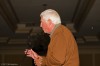
Bob Knight was in St Louis for the St. Louis Men’s Group Against Cancer last night to a sold out crowd at the Ritz Carlton. Among the other celebrates there Mike Matheny the new St Louis Cardinal skipper, Matt Holiday Cardinals left fielder and Chris Long with St Louis Rams. The St Louis Men’s Group Against Cancer is a nonprofit,charitable organization which has annual dinner held with a sports theme to it and to help raise money to fight cancer. The money that is collect from the events is given to local cancer charities for research, prevention and care.  Funds are channeled through various organizations and earmarked for specific programs in our community. This year Bob Knight drew the biggest audience in the 40 plus years of the origination. As part of the group my job was to photograph the event. And what a great job it was because I able to be around Bob Knight and listen to is wonderful stores.

St Louis Men

St Louis Men’s Group Against Cancer with Bob Knight

St Louis Men

St Louis Men’s Group Against Cancer with Bob Knight

St Louis Men

St Louis Men’s Group Against Cancer with Bob Knight

St Louis Men

St Louis Men’s Group Against Cancer with Bob Knight with Mike Matheny

St Louis Men

St Louis Men’s Group Against Cancer with Bob Knight – St Louis Cardinals Manager Mike Matheny

St Louis Men

St Louis Men’s Group Against Cancer with Bob Knight – Rams Chris Long

St Louis Men

St Louis Men’s Group Against Cancer with Bob Knight – St Louis Cardinals Matt Holiday

Enhanced by Zemanta

Share and Enjoy

  • Google Buzz
  • Add to favorites
  • Email
  • RSS
  • LinkedIn

Bob Knight is St Louis | Bob Knight - [...] See the article here: Bob Knight is St Louis [...]

Bill Goodfriend - Nice job, Tom!

Back to top|Contact me|Share on Facebook|RSS feed|Email me|Tweet

Cemetery Architecture at Bellefontaine Cemetery

Bellefontaine Cemetery (established in 1849) and the Roman Catholic Calvary Cemetery (established in 1857) in St. Louis, Missouri are adjacent burial grounds, which have numerous historic and extravagant tombstones and mausoleums. They are the necropolis for a number of prominent local and state politicians, as well as soldiers of the American Civil War.

Founders planned Bellefontaine Cemetery to make room for development in the business area before the cholera epidemic of 1849. That event made it more critical for the city to have room for burials. It was not until later that doctors understood the relation between the epidemics and water supplies, but the residents benefited by moving burials away from the river, which might have become infected by water leaching past the remains of infected people. The original St. Louis cemetery was by the Old Cathedral in Downtown St. Louis near the Mississippi River. Bodies from that cemetery (including that of city co-founder Auguste Chouteau) were moved to Bellefontaine.

Bellefontaine Cemetery at 4947 W Florissant, St. Louis, is the burial ground for prominent pioneers to the West. It was founded in 1849 by a group of prominent men in the city, led by banker and former mayorWilliam McPherson. He realized the cemeteries on Jefferson Street would have to be abandoned to allow for the city’s westward growth. They purchased 138 acres of the Hempstead Farm on the former military road to Fort Bellefontaine; the cemetery was named after it. The founders hired Almerin Hotchkiss as landscape architect from Greenwood Cemetery in Brooklyn, New York to design and maintain the grounds. He designed most of the roadways and landscaping, and directed cemetery operation as Superintendent for decades. Before 1900, additional purchases of land were made, to total 314 acres, so the cemetery would have room for growth.

In June 1849 the city was hit by a cholera epidemic, and by August about 10 percent of the population had perished – 4500 people. Many were buried at Bellefontaine in its early state.

The cemetery was the resting place for several victims of the 1855 railway accident known as the Gasconade Bridge train disaster. Also buried in the Bellefontaine Cemetery are a number of the famous Busch and Lemp family of brewers.

The cemetery contains over 14 miles of paved roads, a section with several dozen mausolea (“mausoleum city”), and a row of very tall obelisk monuments, most with elaborate bases.

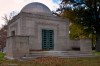
Photos of the mausoleums are Wainwright, Lemp, William Nolker, Adolphus Busch, A D Brown, James Louis Westlake

Enhanced by Zemanta

Share and Enjoy

  • Google Buzz
  • Add to favorites
  • Email
  • RSS
  • LinkedIn
Back to top|Contact me|Share on Facebook|RSS feed|Email me|Tweet